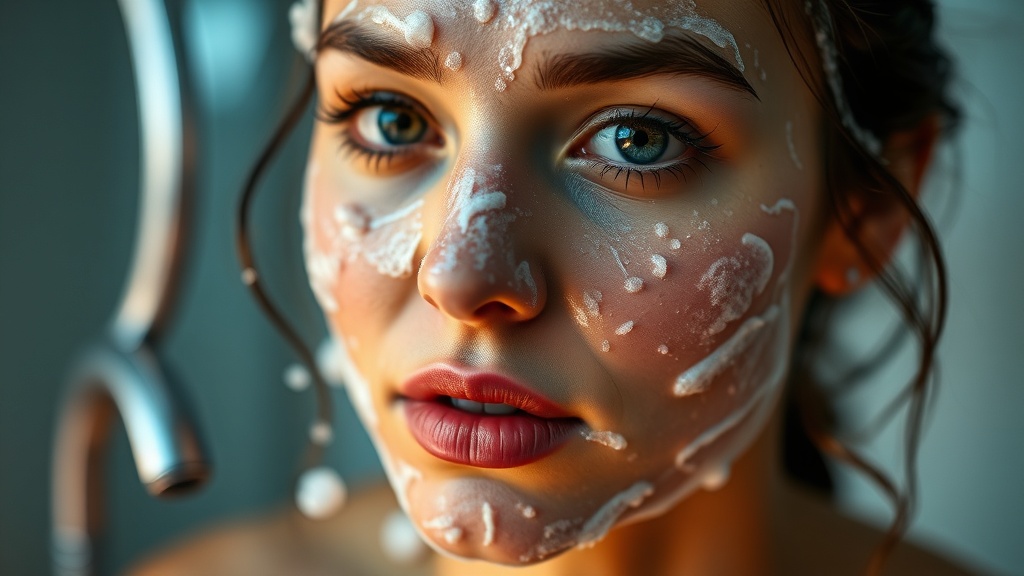
Why Your Face Feels Tight After Washing

Picture this: you finish your cleansing routine, pat your face dry, and within seconds, you feel that uncomfortable, itchy sensation—like your skin is two sizes too small. You reach for a heavy moisturizer immediately, but the tightness persists. This isn't just a fleeting moment of dryness; it's a sign that your current cleansing method is stripping away the very things that keep your skin healthy. Understanding the difference between a clean feeling and a damaged barrier is the first step to fixing it.
Most people assume that if their skin feels "squeaky clean," they've done a good job. In reality, that sensation is often a warning sign. When you strip away the natural oils and lipids that form your skin's protective barrier, you leave your cells vulnerable to environmental irritants and moisture loss. This post looks at why this happens and how you can adjust your habits to keep your complexion comfortable.
Is your cleanser too harsh for your skin type?
The culprit is often a high-pH cleanser or one loaded with aggressive surfactants. Many popular drugstore cleansers use Sodium Lauryl Sulfate (SLS), a compound that creates a thick lather but can be incredibly irritating to the skin barrier. If your cleanser leaves your face feeling tight, it's likely disrupting your acid mantle—the thin, slightly acidic film on the surface of your skin. When this film is disrupted, your skin becomes prone to redness, irritation, and even breakouts.
To identify if your cleanser is the issue, check the ingredient list for terms like "sulfates" or high concentrations of alcohol. A good cleanser should leave your skin feeling soft and supple, not parched. You might want to look for formulas that include glycerin or ceramides to help maintain moisture during the washing process. According to the American Academy of Dermatology, maintaining a healthy skin barrier is a fundamental part of managing various skin conditions.
How can you fix a damaged skin barrier?
If you've been over-cleansing or using too many active ingredients, you might have already damaged your barrier. Fixing it requires a "less is more" approach. This means temporarily pausing the use of harsh exfoliants like AHAs, BHAs, or retinoids. Instead, focus on soothing ingredients that mimic the skin's natural structure. Look for products containing:
- Ceramides: These are lipids that help the skin retain moisture and protect against irritants.
- Squalane: A lightweight oil that mimics the skin's natural sebum.
- Hyaluronic Acid: A humectant that pulls moisture into the skin cells.
- Panthenol: Often found in soothing creams to reduce redness.
The goal is to support the skin's ability to heal itself. This isn't a quick fix; it can take weeks of consistent, gentle care to rebuild that protective layer. If you're feeling overwhelmed by options, remember that simplicity is your friend right now. You don't need a ten-step routine when your skin is struggling; you just need the right basics.
Does water temperature affect skin dryness?
It's a common mistake to think that a steaming hot shower is the best way to deep-clean your pores. While it feels relaxing, hot water can actually be quite damaging. High temperatures can melt away the natural oils that your skin needs to stay hydrated. This leads to a much faster rate of transepidermal water loss (TEWL), which is the process of moisture escaping from your skin into the air.
Try switching to lukewarm water for both your face and body. It's much gentler and won't shock your system or your skin. This simple change can make a massive difference in how much moisturizer you need to apply afterward. If you're interested in the biological side of how water affects the skin, the National Institutes of Health offers extensive research on skin hydration and barrier function.
Beyond temperature, the way you dry your skin matters too. Instead of rubbing a towel across your face—which creates friction and can cause micro-tears—try patting your skin gently. You want to leave it slightly damp before applying your moisturizer. This allows the humectants in your products to trap that water on your surface, providing much better hydration. This technique, often called the "damp skin method," ensures your serums and creams actually have something to work with.
If you find that your skin is still feeling tight despite these changes, it might be time to evaluate your entire routine. Are you using too many actives at once? Are you layering products in the wrong order? Sometimes, the most advanced serum in the world won't work if the foundation of your routine—the cleansing and hydration—is broken. Focus on the basics, be patient with the process, and listen to what your skin is telling you. If it feels tight, it's telling you it needs help.